Achieving healthy, glowing skin requires more than just using high-quality products—it’s about applying them in the correct order. The right sequence ensures that each product penetrates effectively, delivering maximum benefits without causing irritation or waste. Whether you’re a skincare novice or a seasoned enthusiast, understanding the proper layering technique can make a significant difference in your skin’s appearance and health. Below, we outline the three essential steps to follow when applying skincare products, explaining why order matters and how each layer contributes to optimal results.
Step 1: Start with Clean Skin (Cleanser & Toner)
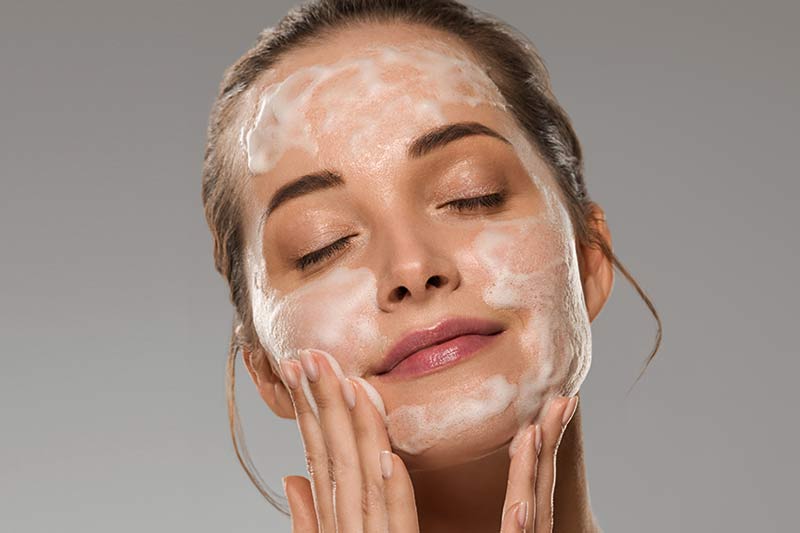
The foundation of any effective skincare routine is clean skin. Dirt, oil, and impurities can clog pores, preventing subsequent products from absorbing properly. Begin with a gentle cleanser suited to your skin type—whether it’s a foaming cleanser for oily skin, a cream-based one for dry skin, or a micellar water for sensitive skin. Cleansing removes surface debris and excess sebum, creating a fresh canvas for the next steps. After cleansing, apply a toner to rebalance your skin’s pH levels. Toners also help remove any residual impurities while prepping the skin to absorb serums and treatments more efficiently. Look for alcohol-free toners with hydrating ingredients like hyaluronic acid or soothing agents like chamomile to avoid stripping your skin of moisture. Step 2: Apply Treatments & Serums (Thinnest to Thickest Consistency)
After cleansing and toning, the next step is to apply treatments and serums. These products contain concentrated active ingredients designed to target specific skin concerns, such as acne, hyperpigmentation, or aging. The golden rule here is to layer products from the thinnest to the thickest consistency. For example, a lightweight vitamin C serum should be applied before a thicker hyaluronic acid serum or niacinamide treatment. This ensures that each product absorbs fully without forming a barrier that blocks others. Additionally, water-based products should always go before oil-based ones. If you’re using retinol or exfoliating acids (like AHAs or BHAs), apply them at this stage, but be cautious with layering too many actives to prevent irritation. Always allow each product to settle for 30 seconds to a minute before moving on to the next step. Step 3: Lock in Moisture (Moisturizer & Sunscreen)
The final step in your skincare routine is sealing in all the applied products with a moisturizer and sunscreen. Moisturizers help hydrate the skin and reinforce its natural barrier, preventing moisture loss. Even oily skin types need moisturization—opt for a lightweight, non-comedogenic formula if you’re prone to breakouts. At night, you can use a richer cream or sleeping mask for deep hydration. During the day, sunscreen is non-negotiable, even if your moisturizer contains SPF. A broad-spectrum sunscreen with at least SPF 30 protects against harmful UV rays, preventing premature aging, hyperpigmentation, and skin cancer. Apply sunscreen as the last step in your morning routine, and reapply every two hours if you’re outdoors. For evening routines, you can skip sunscreen and finish with a facial oil (if needed) to enhance moisture retention while you sleep. Conclusion
Following the correct order when applying skincare products ensures that each layer works effectively without interference. Starting with a clean base, layering treatments from thinnest to thickest, and finishing with moisture and protection creates a balanced routine that maximizes results. Consistency is key—stick to this sequence daily, and over time, you’ll notice healthier, more radiant skin. Remember, skincare is personal, so adjust products based on your skin type and concerns while maintaining the proper application order for the best outcome.





0 Comments