
Achieving healthy, glowing skin doesn’t have to be complicated. By following a consistent routine and incorporating face masks, you can enhance your skin’s texture, hydration, and overall appearance. Here’s a simple three-step skincare process, along with some fantastic face mask ideas to elevate your regimen.
Step 1: Cleanse Your Skin Thoroughly

Cleansing should be done twice daily—morning and night—to maintain a fresh, balanced complexion. If you wear makeup, consider double cleansing: first with an oil-based cleanser to dissolve makeup and sunscreen, followed by a water-based cleanser to deep clean pores. This ensures no residue is left behind, allowing subsequent skincare products to penetrate effectively. Incorporating a face mask after cleansing can further purify the skin. Try a clay mask (like bentonite or kaolin) for oily skin to absorb excess oil, or a honey mask for dry skin to soothe and hydrate.
Step 2: Exfoliate for Smoother Skin
Exfoliating 2-3 times a week is ideal for most skin types, though sensitive skin may require less frequent use. After exfoliating, your skin will better absorb serums and moisturizers. For an extra boost, try a DIY oatmeal and yogurt mask—oatmeal gently exfoliates while yogurt’s lactic acid brightens the skin. Alternatively, a papaya mask (rich in enzymes) provides natural exfoliation, leaving skin soft and radiant.
Step 3: Hydrate and Protect with Moisturizer & Sunscreen
Hydration is crucial for maintaining a healthy skin barrier. Even oily skin needs moisture—skipping it can lead to excess oil production as the skin tries to compensate for dryness. Choose a lightweight, non-comedogenic moisturizer for oily skin and a richer cream for dry skin. Ingredients like hyaluronic acid, ceramides, and glycerin help lock in moisture and strengthen the skin’s protective layer.
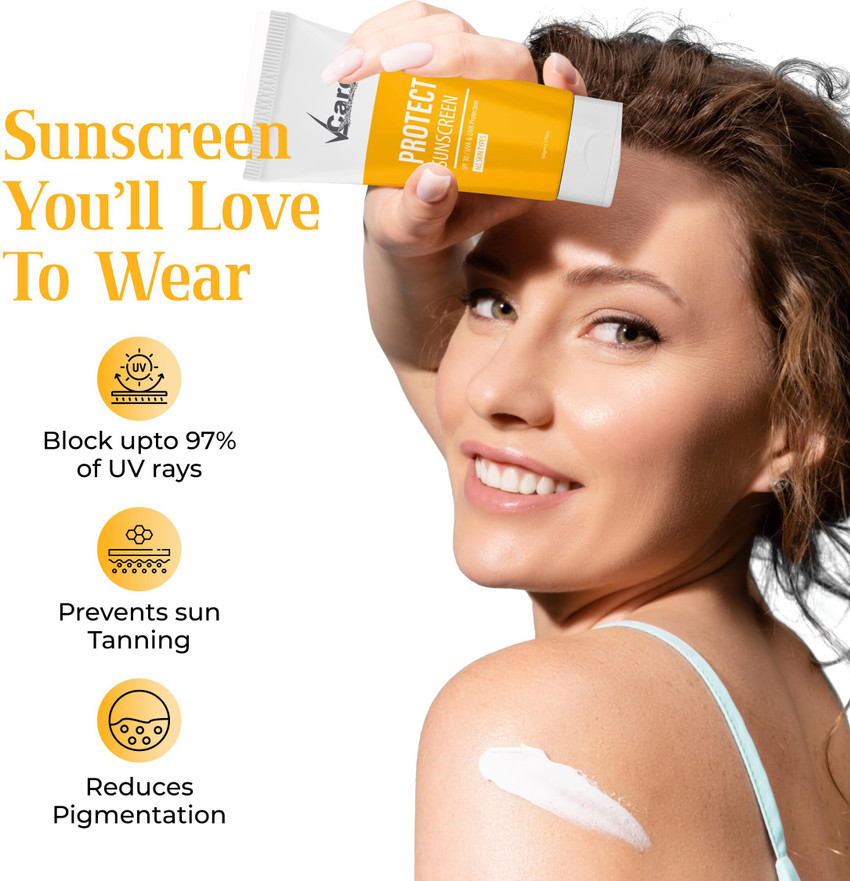
During the day, always apply broad-spectrum sunscreen (SPF 30+) to shield against UV damage, which causes premature aging and hyperpigmentation. At night, consider a nourishing aloe vera and cucumber mask to calm inflammation or an avocado mask packed with healthy fats to deeply moisturize. For an extra anti-aging boost, a turmeric and yogurt mask can brighten and improve elasticity.
Conclusion
A consistent skincare routine with cleansing, exfoliating, and moisturizing—plus weekly face masks—can transform your skin. Tailor products to your skin type and concerns, and enjoy the benefits of a refreshed, glowing complexion. Whether using store-bought or homemade masks, these simple steps ensure healthy, radiant skin all year round!



0 Comments