
Achieving healthy, glowing skin starts with understanding the correct order of your skincare routine. Applying products in the right sequence ensures maximum absorption and effectiveness. Whether you’re a skincare newbie or a seasoned enthusiast, following the proper steps can make a significant difference in your skin’s appearance and health. In this guide, we’ll break down the ideal skincare routine order, explaining why each step matters and how it contributes to your skin’s overall well-being.
A well-structured skincare routine typically consists of cleansing, treating, moisturizing, and protecting. Each step plays a crucial role in maintaining skin balance, preventing breakouts, and combating signs of aging. Skipping a step or applying products in the wrong order can reduce their effectiveness, leading to wasted effort and subpar results. By following a consistent routine, you allow each product to work synergistically, enhancing their benefits. Let’s dive into the correct order and why it matters for your skin’s health.
Step 1: Cleansing – The Foundation of Healthy Skin

At night, double cleansing is highly recommended, especially if you wear makeup or sunscreen. Start with an oil-based cleanser to break down makeup and sunscreen, followed by a water-based cleanser to remove residual impurities. This method ensures your pores are thoroughly clean, preventing clogging and breakouts. Proper cleansing also preps your skin for exfoliation (if included in your routine) and helps active ingredients in serums and treatments absorb better.
Step 2: Exfoliation (Optional but Beneficial)
.png)
For oily or acne-prone skin, salicylic acid (BHA) is excellent for unclogging pores, while glycolic acid (AHA) works well for dry or dull skin by enhancing moisture retention. Always follow exfoliation with hydrating and soothing products to prevent irritation. If you have sensitive skin, opt for enzyme-based exfoliants, which are milder yet effective. Remember, exfoliation should always come after cleansing but before applying serums or treatments to allow deeper penetration of active ingredients.
Step 3: Treatment Serums – Targeted Solutions for Skin Concerns
Layering serums correctly is crucial—apply water-based serums first (like hyaluronic acid), followed by thicker or oil-based treatments (like niacinamide or retinol). Avoid mixing incompatible ingredients, such as vitamin C with retinol, as they can cause irritation. Instead, use vitamin C in the morning for antioxidant protection and retinol at night for skin renewal. Consistently using serums can significantly improve skin texture, tone, and overall health over time.
Step 4: Moisturizing – Locking in Hydration
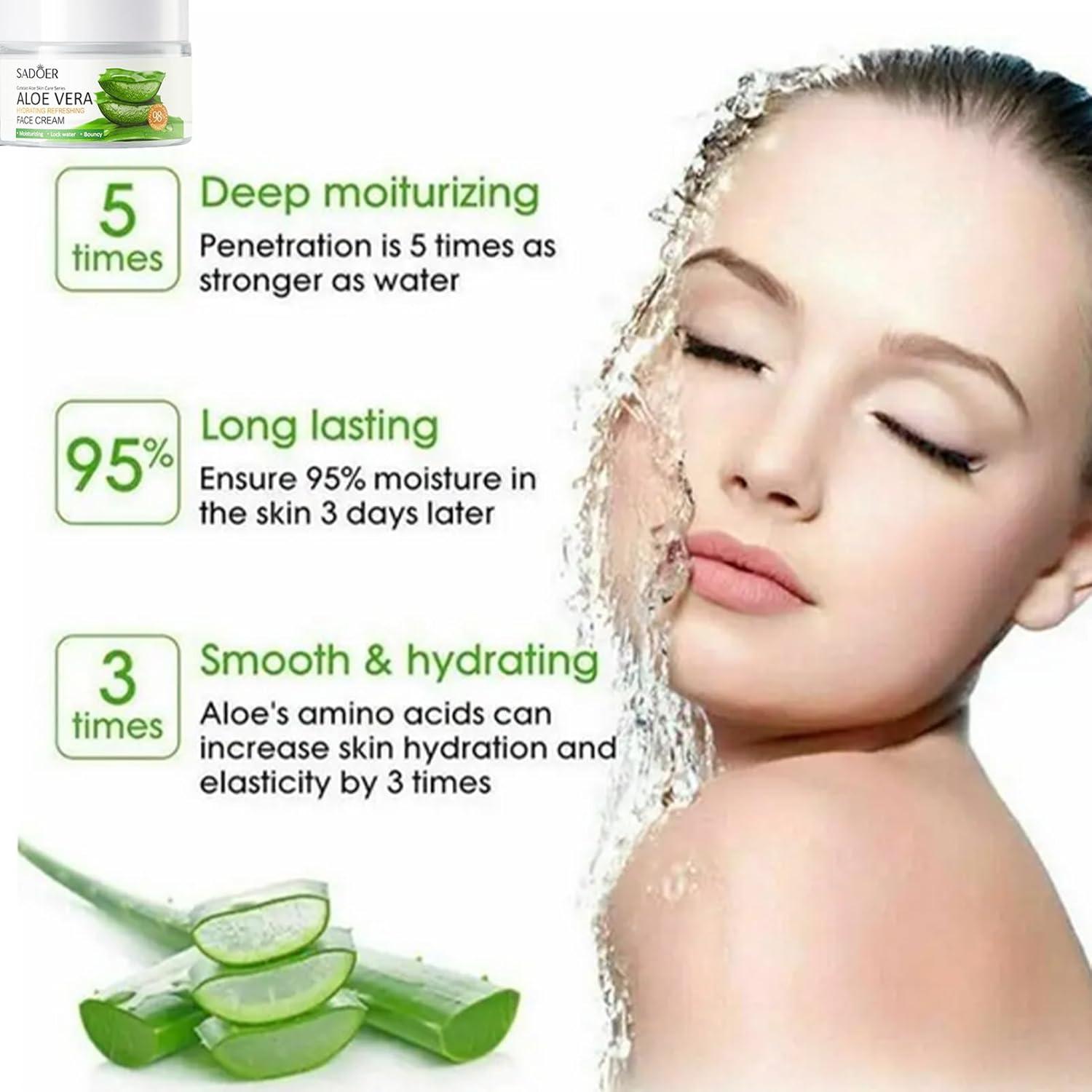
Moisturizers work by sealing in the benefits of previous steps, keeping your skin soft and supple. At night, you can opt for a richer formula to support skin repair. Ingredients like ceramides, peptides, and squalane are excellent for reinforcing the skin barrier. If you use an eye cream, apply it before your moisturizer to target delicate under-eye areas without interference from heavier products.
Step 5: Sun Protection – The Ultimate Anti-Aging Step

Chemical sunscreens absorb UV rays, while physical (mineral) sunscreens block them by sitting on the skin’s surface. Both are effective, but those with sensitive skin may prefer mineral options with zinc oxide or titanium dioxide. Reapplication every two hours is necessary for prolonged sun exposure. Incorporating sunscreen daily protects your skin from damage and keeps your skincare efforts from going to waste.
Conclusion: Consistency is Key
Following the correct skincare routine order ensures that each product performs optimally, giving you the best results. Cleanse, treat, moisturize, and protect—this simple yet effective sequence can transform your skin over time. Tailor your routine to your skin type and concerns, and always introduce new products gradually to avoid irritation. With patience and consistency, you’ll achieve healthier, more radiant skin.
By understanding and implementing these steps, you can maximize the benefits of your skincare products and maintain a flawless complexion. Remember, great skin doesn’t happen overnight—it’s the result of dedication and the right routine!



0 Comments